Getting ready for Primary 1: a gentle guide for K1–K2 parents
The KiddoSG app is launching soon. This guide shows how it will work.
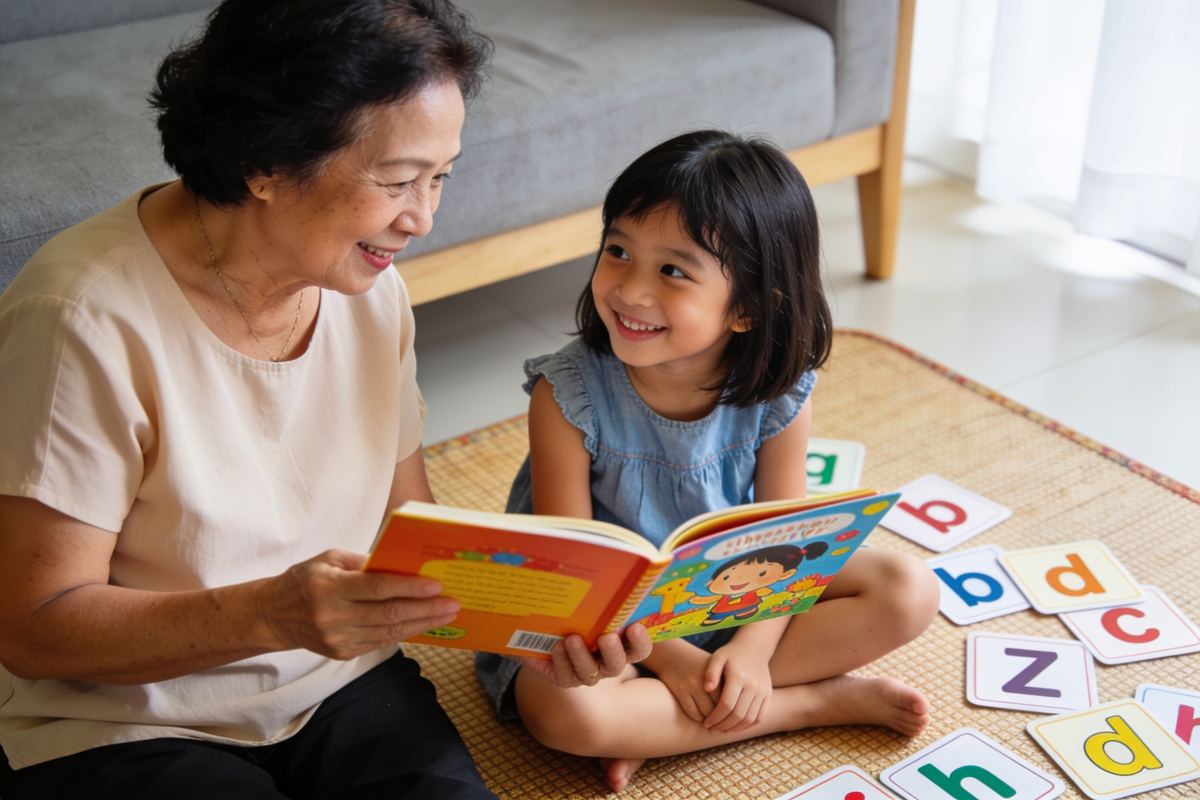
Photo: for illustration.
Starting Primary 1 is a big step. Most children don't need academic tuition before P1, but some light, playful practice can build confidence.
What actually helps
- Reading together every day, for even 10 minutes.
- Phonics and letter sounds, through songs and games.
- Number sense: counting objects, simple comparisons ("which is more?").
- Mother Tongue exposure: stories and songs in Chinese, Malay or Tamil.
- Independence: packing a bag, buying food at the canteen, asking for help.
When a tutor can help
- Your child is shy about reading aloud, or finds letter sounds hard.
- Mother Tongue isn't spoken much at home.
- You'd like a short, fun weekly session for school readiness, not exam practice.
Using the app for K1–K2
- Add your child at K1 or K2 level.
- Search for Reading & phonics, Numeracy or a Mother Tongue subject.
- Look for tutors who describe play-based teaching and experience with young children.
- Consider a shared group of 2–4 children (K1–K2 groups can allow adjacent levels). Little ones often learn better with friends.
Keep it light
Sessions of 45–60 minutes, once a week, are plenty. If your child dreads it, stop and try a different tutor or approach.
Safety first
For young children, an adult should always be at home during lessons. See the first-lesson checklist.